
Retinal Diseases
Retinal Vein Occlusion
A retinal vein occlusion is when a vein in your retina is blocked (occluded). This can be caused by a blood clot, or it can happen when a larger blood vessel presses down on the vein.
When a retinal vein is blocked, blood and fluid can build up in the retina. This may cause swelling, bleeding, blurry vision, floaters, or vision loss.
Retinal Vascular Disease
Sudden blurry vision or new floaters should be evaluated promptly.
Retinal vein occlusion can affect central vision, especially when swelling develops in the macula.
Call an ophthalmologist right away if symptoms occur.
It is very important to call an ophthalmologist right away if you have blurry or decreased vision, many new floaters, or pain inside the eye.
Retina Images
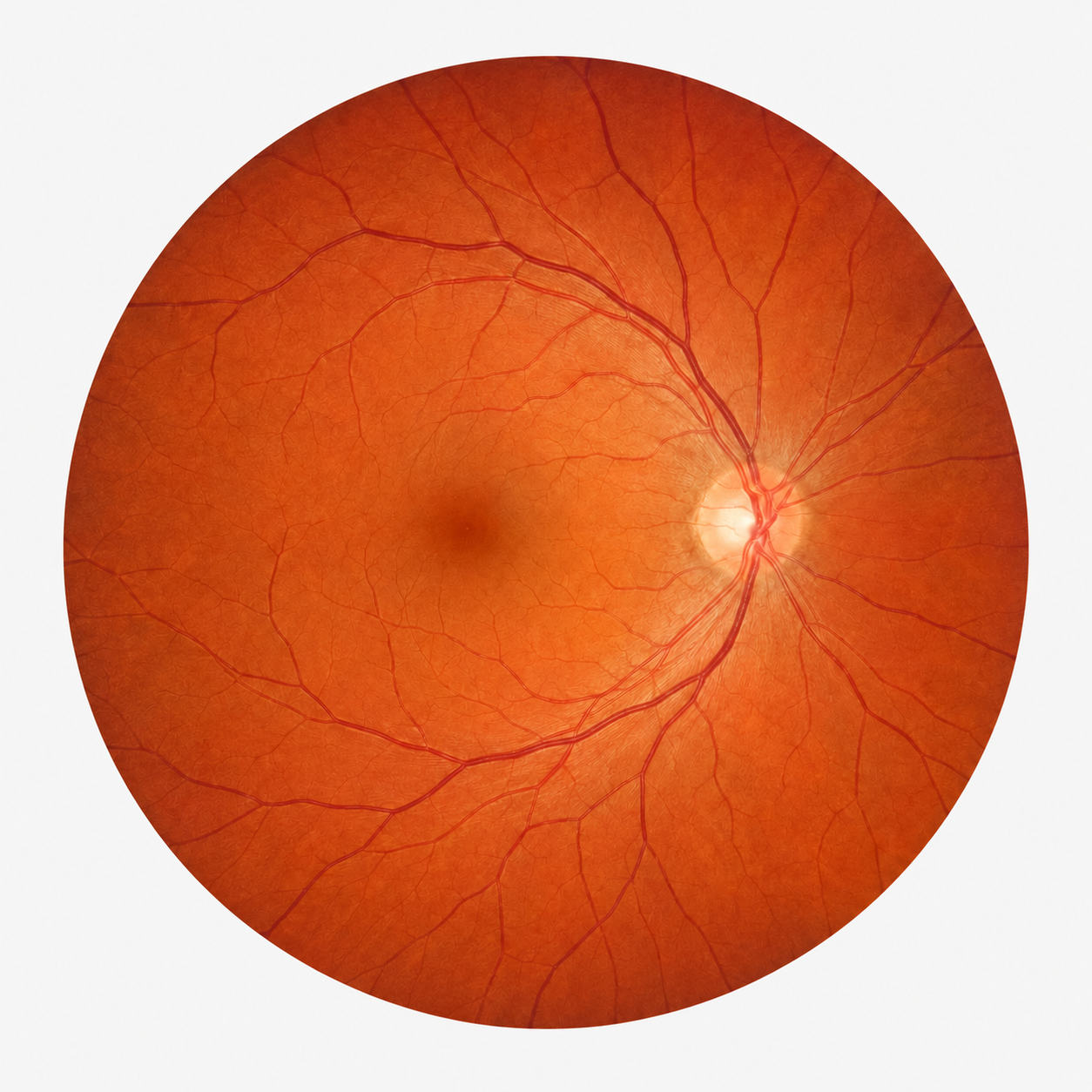
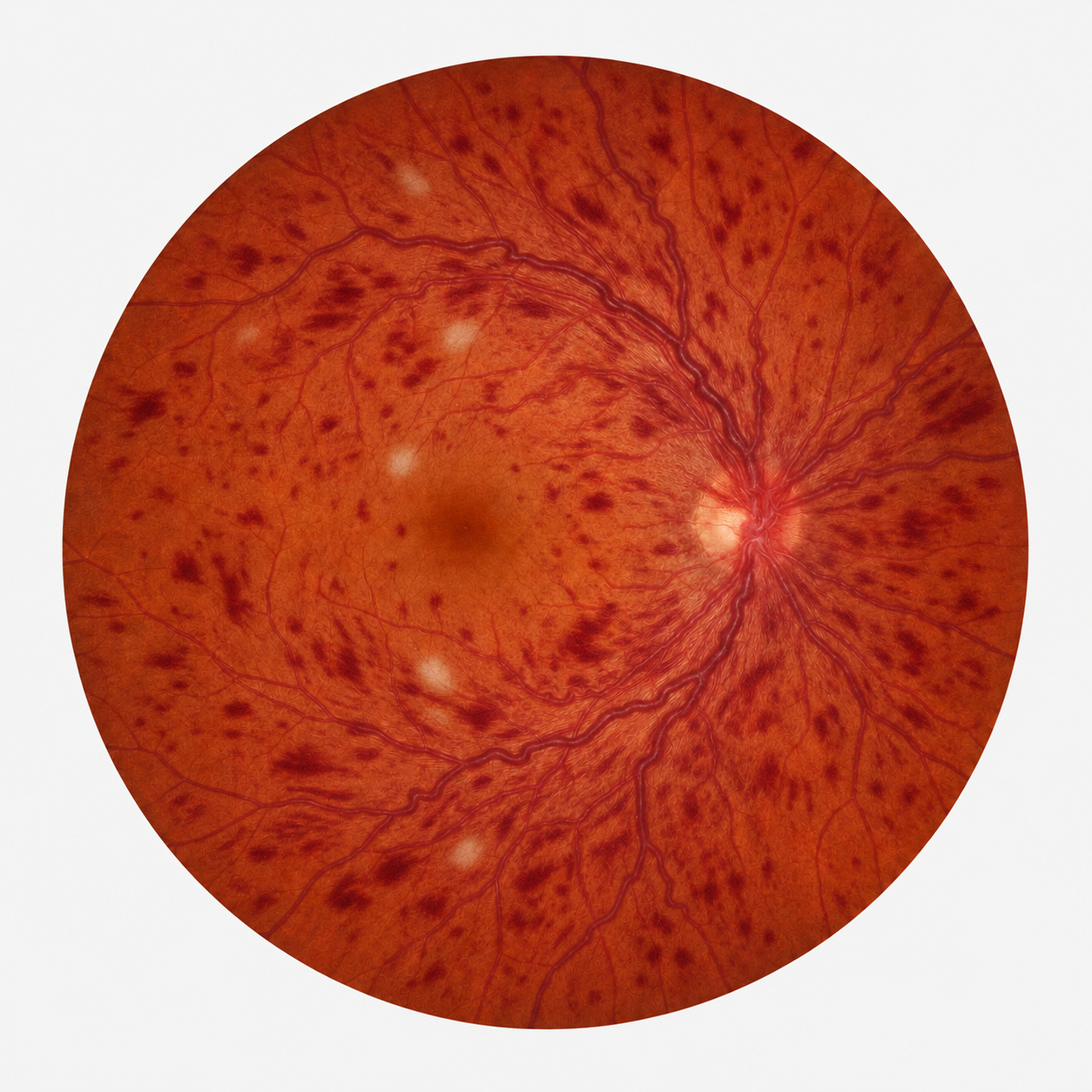
Normal Retina vs. Retinal Vein Occlusion
Retinal vein occlusion may cause retinal hemorrhages, dilated or tortuous veins, swelling, and areas of poor blood flow in the retina.
About RVO
What Is Retinal Vein Occlusion?
A retinal vein occlusion occurs when one of the veins carrying blood away from the retina becomes blocked. This blockage can cause blood and fluid to leak into the retina.
If fluid collects in the macula, the part of the retina responsible for sharp central vision, patients may notice blurry or distorted vision.
Types
Branch vs. Central Retinal Vein Occlusion
A branch retinal vein occlusion affects one smaller branch of a retinal vein. A central retinal vein occlusion affects the main retinal vein and may involve a larger area of the retina.
The type and severity of the occlusion help guide monitoring and treatment recommendations.
Symptoms
Retinal Vein Occlusion Symptoms
It is very important to call an ophthalmologist right away if you have any symptoms such as:
Causes
Retinal Vein Occlusion Causes
It is not known exactly what causes retinal vein occlusion. However, you are more likely to have retinal vein occlusion if you have:
Macular Swelling
How RVO Can Affect Vision
Retinal vein occlusion can cause swelling in the macula, called macular edema. When the macula is swollen, central vision may become blurry, distorted, or reduced.
Health Management
Why Overall Health Matters
Diabetes, glaucoma, high blood pressure, or other health problems can lead to retinal vein occlusion. Taking care of your health can help lower your risk of this serious eye problem.
Treatment
Retinal Vein Occlusion Treatments
Your ophthalmologist will treat you based on what he or she sees in your eye. Treatment may include:
Retinal Vein Occlusion Evaluation and Treatment
If you notice sudden blurry vision, decreased vision, new floaters, or pain inside the eye, it is important to schedule an eye examination promptly. A retina specialist can determine whether symptoms are related to retinal vein occlusion or another retinal condition.
Schedule an Appointment
Call to schedule an appointment today.
Our retina specialists provide evaluation and treatment for retinal vein occlusion and other diseases affecting the retina, macula, and vitreous.