
Retinal Disease
Macular Degeneration
Macular degeneration is a chronic eye disease that causes loss of vision in the center field of vision. Macular degeneration can make it difficult to recognize faces, read or drive a car but enough of the peripheral (side) vision remains to allow other daily activities.
AMD Overview
Dry and wet AMD can affect central vision.
Age-related macular degeneration (AMD) affects the macula, the part of the retina responsible for sharp, straight-ahead vision. Changes may be gradual or, in some cases, more sudden.
Symptoms
Symptoms of Macular Degeneration
There are few early signs of macular degeneration, which is why it is important to have your eyes examined regularly the older you get. Some symptoms you might experience include blurred or dark areas in the center of vision, a diminished color perception, or wavy appearance to straight lines.
Most patients do not experience any symptoms until the intermediate of macular degeneration. Some patients might start to see blurred spots in the center of their vision or require more light to read. Once the patient has advanced macular degeneration, they will experience a larger blurred or distorted spot in the center of vision that will eventually get bigger and darken, affecting a large area of your straight-ahead vision.
Causes
Causes of Macular Degeneration
Age-related Macular Degeneration (AMD) is the leading cause of blindness in Americans 60 and older. The disease causes cells in the macula to die. There are two types of age-related macular degeneration – dry and wet. Wet macular degeneration occurs when abnormal blood vessels grow under the macula causing them to leak blood and fluid. Dry macular degeneration occurs when light-sensitive cells start to slowly break down.
The Macula
Why Central Vision Changes
The macula is responsible for detailed central vision. When the macula is affected, patients may notice trouble with reading, recognizing faces, driving, seeing fine detail, or looking directly at objects.
Types of AMD
Dry AMD vs. Wet AMD
Dry and wet macular degeneration can both affect central vision, but they behave differently. Dry AMD often progresses more slowly, while wet AMD can cause more sudden changes because of leaking or bleeding blood vessels.
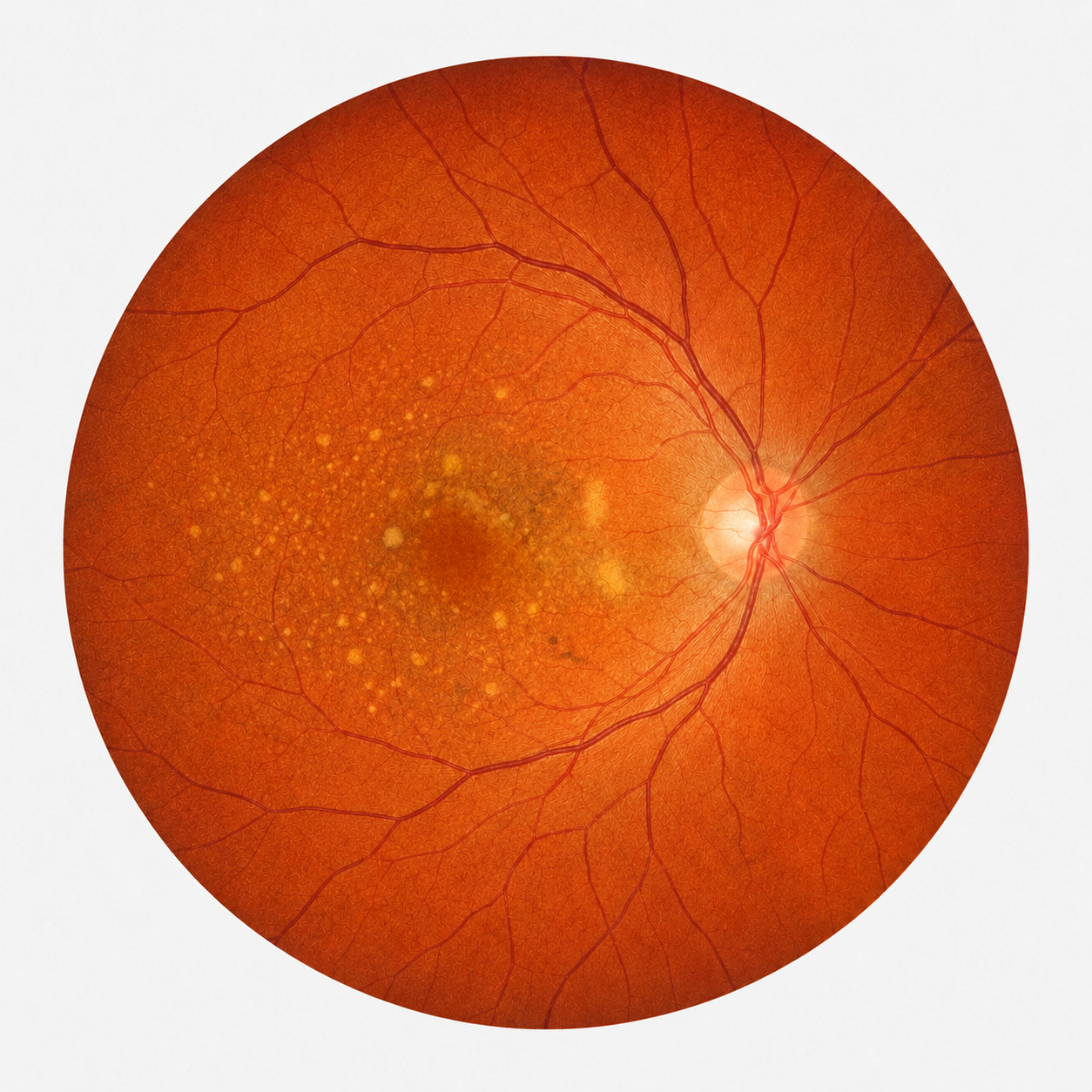
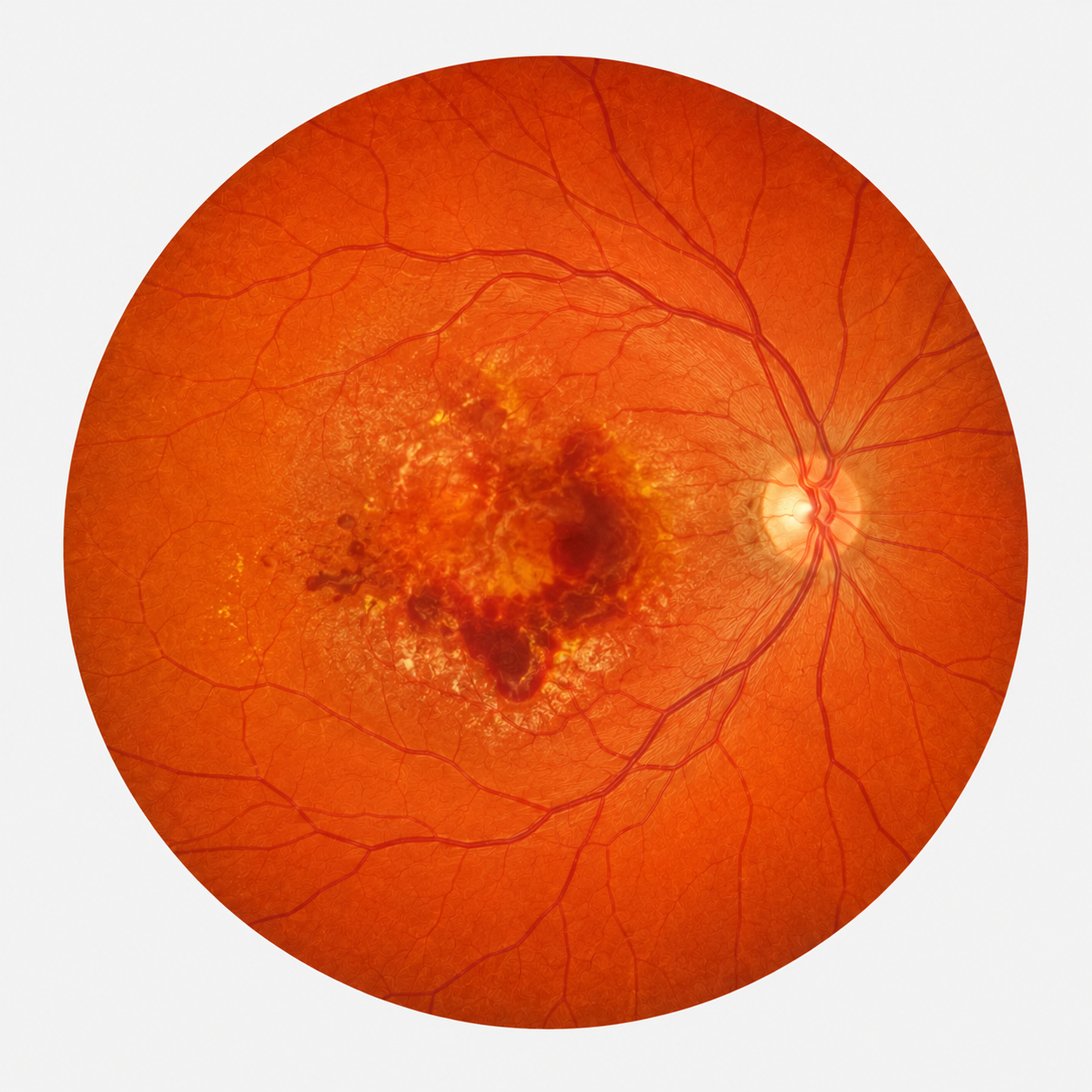
Early diagnosis helps guide treatment and monitoring.
Regular retinal examinations are important because some patients may have changes before they notice significant symptoms.
Treatment
Macular Degeneration Treatments
Treatment of macular degeneration can slow vision loss but cannot restore it. Preventive measures include the following:
When to Schedule an Appointment
If you have symptoms of macular degeneration or have a family history of this disease and would like to make an appointment, please contact Retina Consultants of Alabama.
Schedule an Appointment
Call to schedule an appointment today.
Our retina specialists provide evaluation and treatment for diseases affecting the retina, macula, and vitreous.