
Retinal Diseases
Retinal Tears & Detachment
A retinal tear occurs when a small break forms in the retina, often from pulling or traction inside the eye. If fluid passes through the tear, the retina can lift away from the back of the eye, causing a retinal detachment. When the retina is detached, it does not work properly, making vision blurry or shadowed.
Urgent Symptoms
Flashes, new floaters, or a curtain in vision should be checked promptly.
Retinal tears can sometimes lead to retinal detachment. Early evaluation and treatment can help protect vision.
Do not wait if symptoms appear suddenly.
Retinal tears and detachments are serious problems and should be treated right away to help prevent permanent vision loss.
Retina Images
Retinal Tear vs. Retinal Detachment
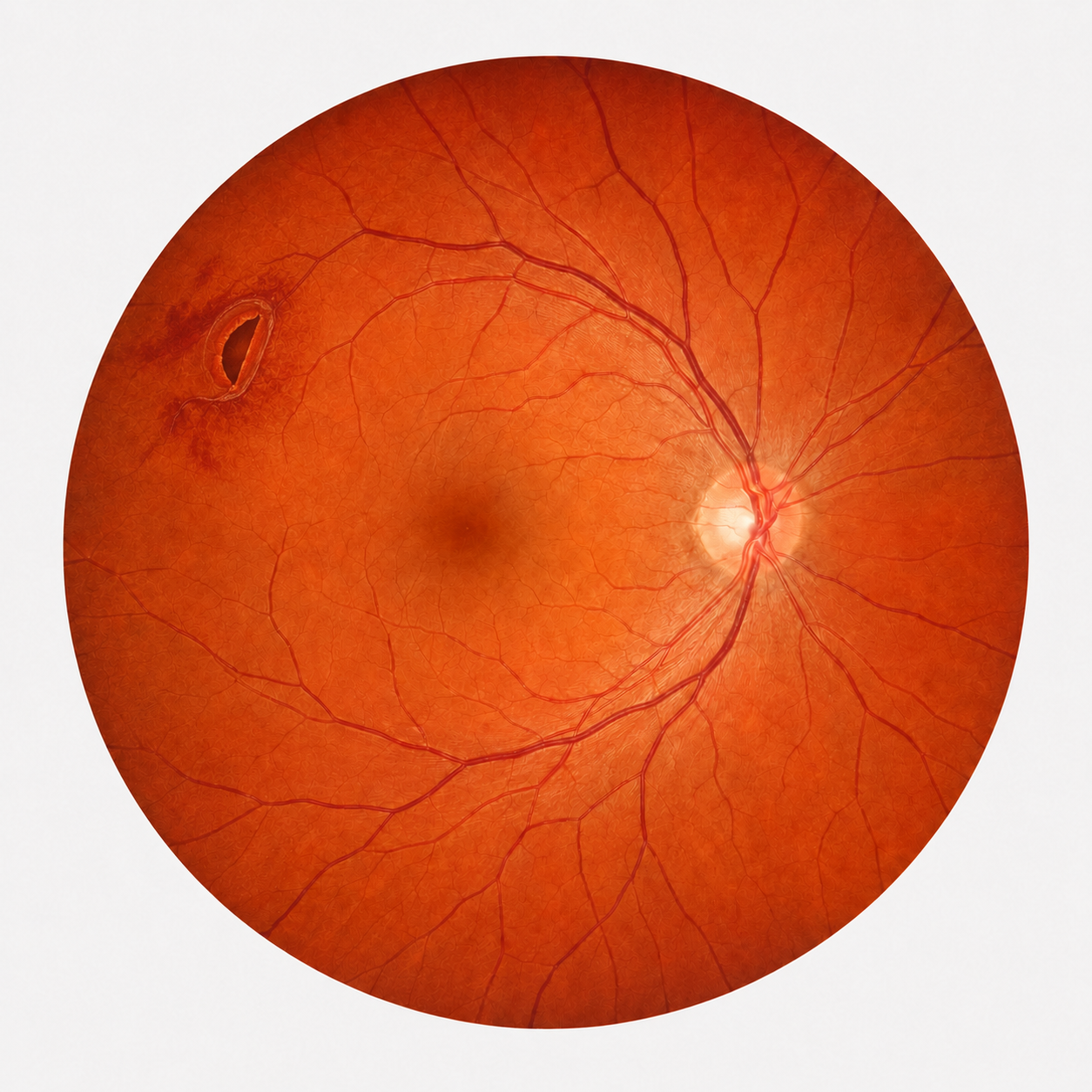
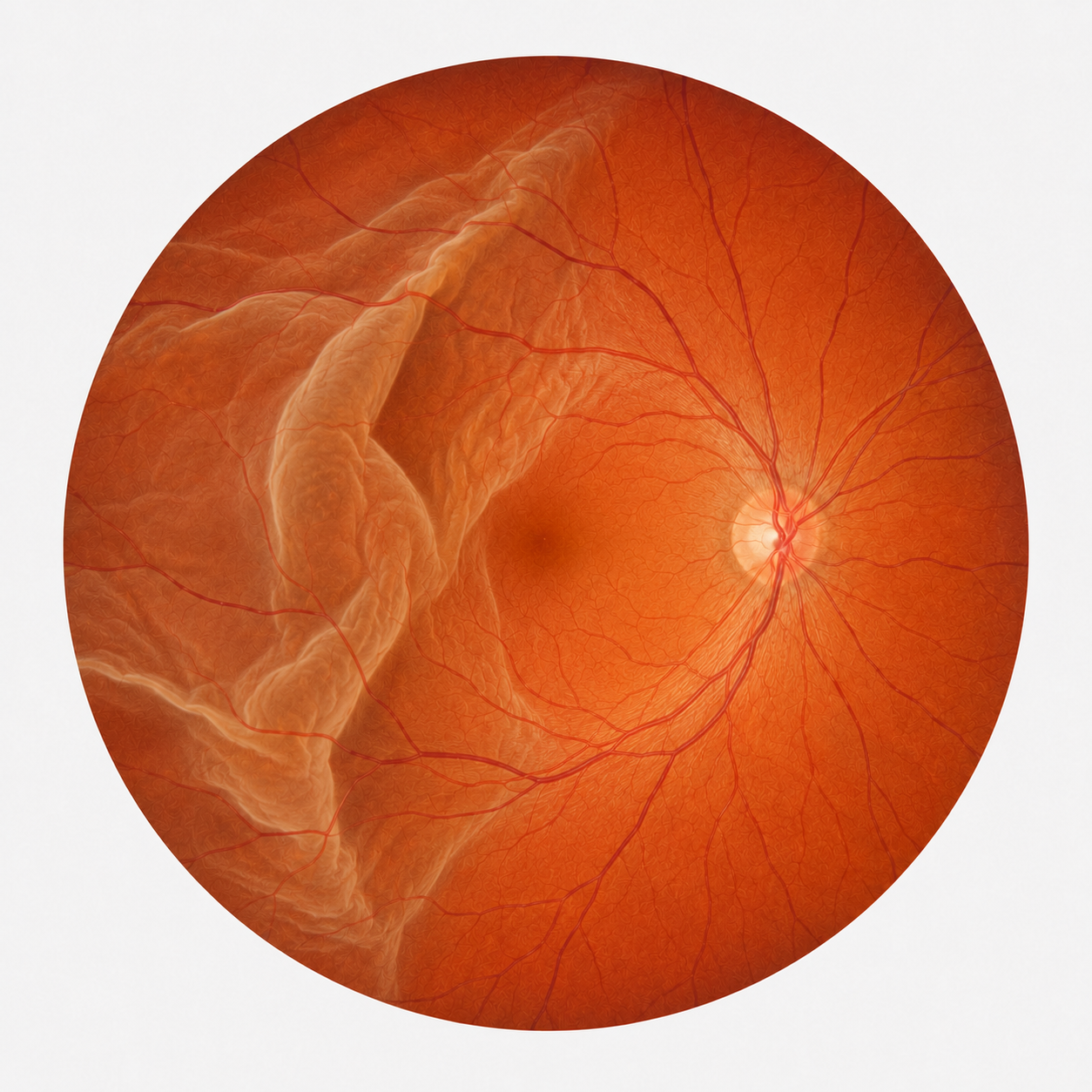
Retinal Tears
What Is a Retinal Tear?
A retinal tear occurs when the thin retinal tissue develops a break. This often happens when the vitreous gel inside the eye pulls on the retina. A tear may not always cause pain, but it can cause sudden flashes, new floaters, or changes in vision.
Retinal tears are important because they can allow fluid to move underneath the retina, which may lead to a retinal detachment.
Detached Retina
What Is a Detached Retina?
A retinal detachment happens when the retina lifts away from the back of the eye. When the retina is detached, it cannot work properly, and vision may become blurry, shadowed, or blocked.
Retinal detachments can progress and cause permanent vision loss. Prompt examination and treatment give the best chance of protecting as much vision as possible.
Symptoms
Symptoms of Retinal Tears and Detachment
Detached retina symptoms can happen suddenly. Some patients notice flashing lights, many new floaters, a shadow in their side vision, or a gray curtain covering part of their field of vision.
Risk Factors
Who Is More Likely to Have a Retinal Tear or Detachment?
You are most likely to have detached retina if you:
Tear Treatment
Retinal Tear Treatments
When a retinal tear is found before the retina detaches, treatment may be recommended to help seal the tear and lower the risk of retinal detachment.
Retinal tears are commonly treated with laser treatment or a freezing treatment called cryotherapy. These treatments create a scar around the tear to help secure the retina in place.
Detachment Treatment
Detached Retina Treatments
The only way to treat a detached retina is with surgery. The type of surgery depends on the location and severity of the detachment, as well as the condition of the eye.
Treatment is focused on reattaching the retina and preventing further vision loss.
Surgery
Types of Surgery to Fix a Detached Retina
The only way to treat a detached retina is with surgery. Here are some types of surgery to fix a detached retina:
When to Call
If you notice sudden flashes, new floaters, a shadow in your side vision, or a gray curtain over your vision, it is important to be examined promptly. A retina specialist can determine whether there is a retinal tear, retinal detachment, or another condition affecting the retina.
Schedule an Appointment
Call to schedule an appointment today.
Our retina specialists provide evaluation and treatment for retinal tears, retinal detachments, and other diseases affecting the retina, macula, and vitreous.